


Musician Garden
Mini Digital Clip-On Metronome – Adjustable Tempo Practice Tool for Guitar, Piano & More
Mini Digital Clip-On Metronome – Adjustable Tempo Practice Tool for Guitar, Piano & More
Couldn't load pickup availability
Build Better Timing. Play With Confidence.
Strong rhythm is the foundation of great musicianship.
This compact digital metronome keeps your practice sessions focused, consistent, and productive.
Why It’s Perfect for Practice
Wide Tempo Range (30–280 BPM)
Slow it down for precision practice or speed it up as you improve.
Multiple Rhythm Patterns
Customize beat values to match your song or exercise.
TAP Tempo Function
Quickly match the tempo of any piece by tapping it in.
Adjustable Volume
Clear, audible clicks without being harsh or distracting.
Ultra-Portable Design
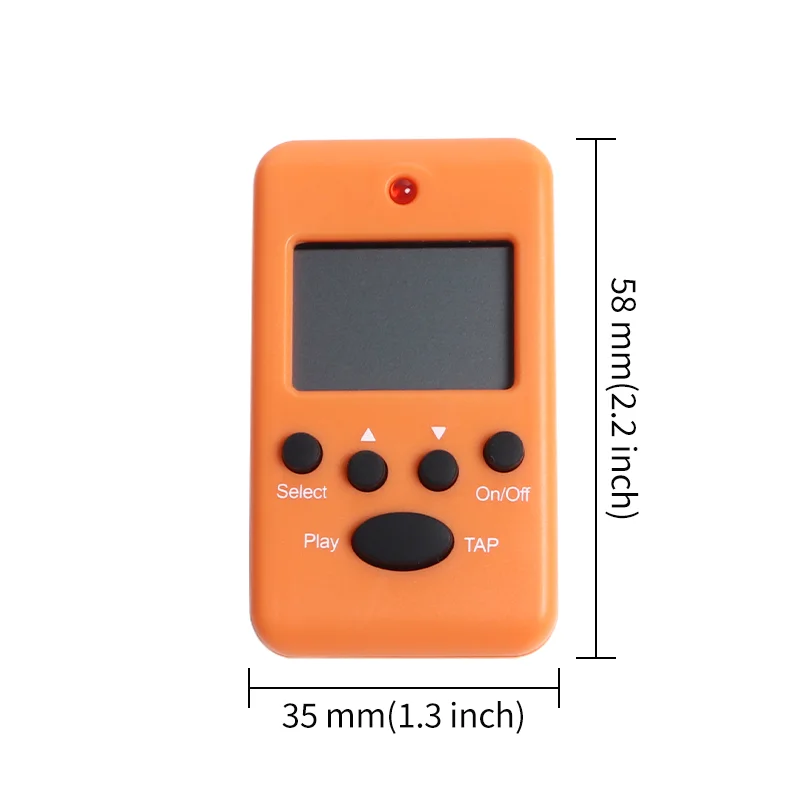
Smaller than your palm — perfect for home practice, lessons, or travel.
Great For:
- Guitar
- Piano
- Bass
- Violin
- Ukulele
- Drums
- Wind instruments
- Beginners & advancing students
Specifications
- Tempo Range: 30–280 BPM
- Beat Settings: 0–9
- Display: LCD Screen
- Power: 1 × CR2032 battery (included)
- Compact, lightweight design
What’s Included
✔ 1 × Mini Digital Metronome
✔ 1 × CR2032 Battery (included)







How To Change & Tune Your Strings
How To Change & Tune Your Strings
Keeping your strings fresh and properly tuned is one of the simplest ways to improve your tone, comfort, and overall playing experience. Whether you’re replacing worn strings or just fine-tuning your sound, here’s a simple guide to help.
Changing Your Strings
1. Loosen the old strings
Use a string winder to gradually loosen each string until there is no tension.
2. Remove the strings safely
Cut and remove the strings carefully. On acoustic guitars, gently remove the bridge pins if needed. Dispose of old strings properly.
3. Clean before restringing
Take a moment to wipe down the fretboard and body. This is the perfect time to condition unfinished wood if needed.
4. Insert the new strings
Thread the string through the bridge (or tailpiece) and pull it toward the tuning peg.
5. Wind correctly at the tuning peg
Leave a little slack, then wind neatly downward around the peg. Clean, even wraps help improve tuning stability.
Tuning Your Strings Properly
1. Tune slowly and gradually
Bring each string up to pitch slowly to avoid unnecessary tension.
2. Stretch gently
After tuning, gently pull each string upward along its length. Retune. This helps the string settle and stay in tune longer.
3. Tune in small adjustments
Always tune up to the note rather than down to it for better stability.
4. Check tuning frequently
New strings stretch during the first few sessions. Expect to retune several times until they fully settle.
Why It Matters
Fresh, properly tuned strings:
• Improve tone and clarity
• Make playing more comfortable
• Reduce strain on your instrument
• Help you practice and perform with confidence
Regular maintenance keeps your instrument sounding its best — whether you’re practicing at home or performing on stage.


